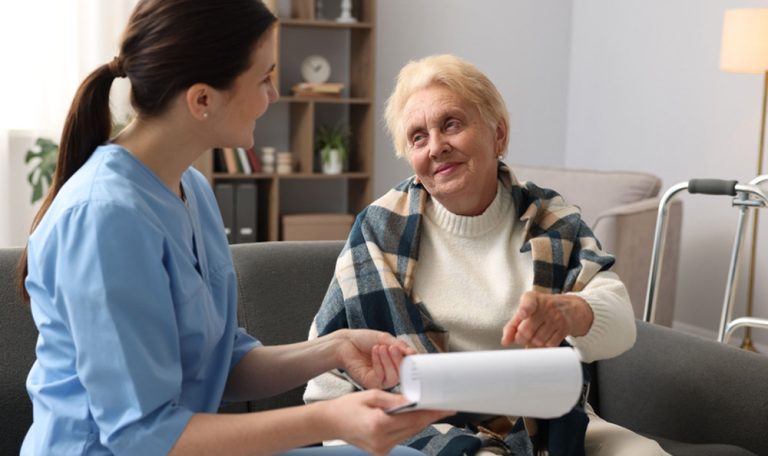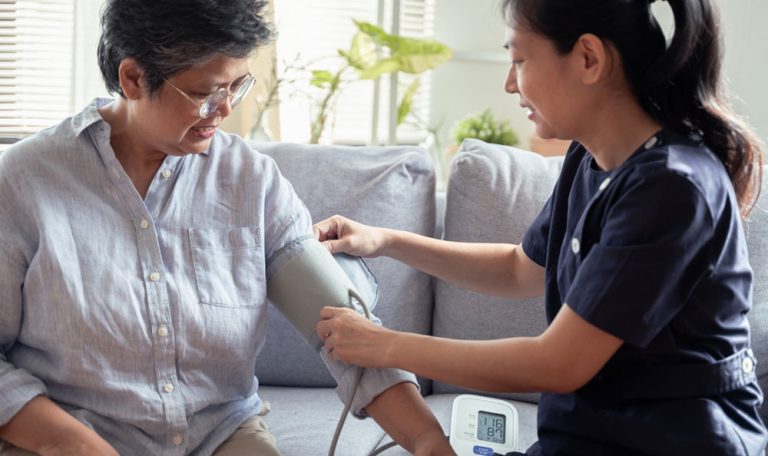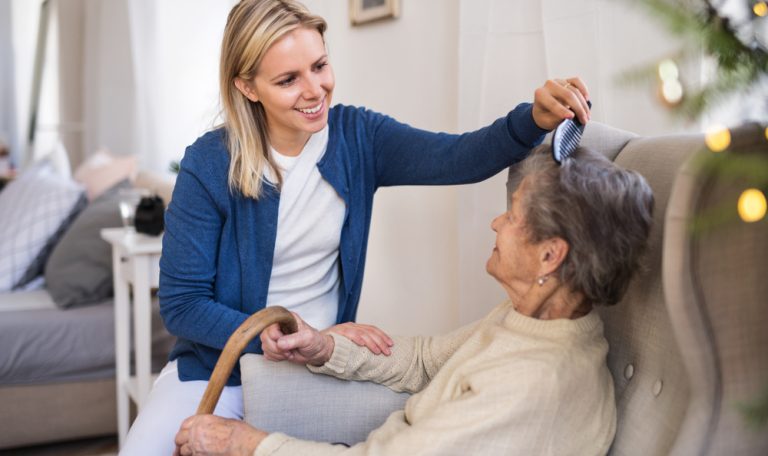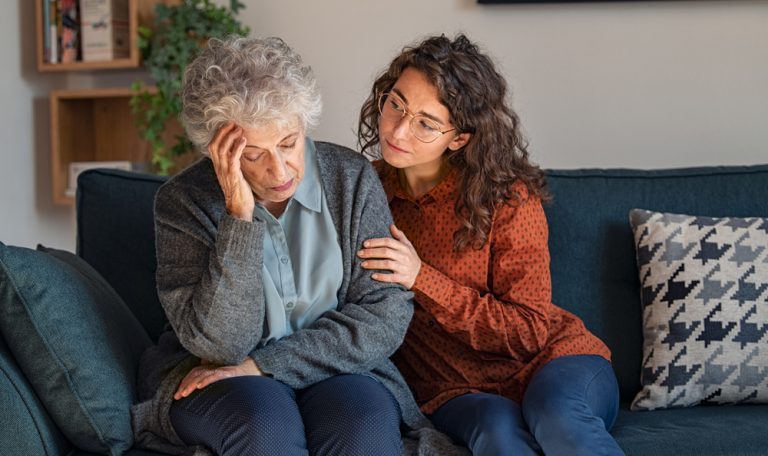


The caregiver is due to arrive soon, and suddenly you are second-guessing a decision that took your family weeks to make. Your father has already asked why someone is coming over. Your mother says she does not need help. You have cleaned the kitchen twice, written several pages of instructions, and wondered whether you should stay for the entire visit or quietly get out of the way. That nervousness is understandable. The first day of home care is a change for everyone. Your loved one is allowing someone new into a very personal space. You are handing over parts of a routine you may have managed yourself for months or years. The caregiver is learning a household where small details matter. The first visit does not need to be perfect. It should feel respectful, calm, and useful enough for everyone to take the next step. A strong home care relationship usually grows from familiarity, and familiarity comes from seeing the same person return, learning each other’s rhythms, and allowing trust to develop without forcing it. What should you expect on the first day of home care? On the first day of home care, expect the visit to feel more like the beginning of a relationship than a test of how much can get done. The caregiver should learn how your loved one prefers to be addressed, which routines matter, what assistance is welcome, and what tends to cause stress. Your parent may be friendly, guarded, quiet, or openly resistant, and none of those reactions alone tells you whether the arrangement will work. Keep the day simple. Show the caregiver where essential items are kept, explain medication reminder routines and mobility concerns, and share the small details that make the household feel familiar. If your loved one is comfortable, allow time for the caregiver and your parent to interact without constant family direction. After the visit, ask both of them specific questions. A good first day does not require instant closeness. It should create enough safety and familiarity for trust to begin. The first day actually starts before the caregiver arrives A smoother first visit usually begins with preparation before anyone knocks on the door. At Exhava, families do not meet a completely unknown caregiver for the first time when care starts. The intake process begins with a free phone consultation, followed by a complimentary in-home evaluation by a local manager. A customized care plan is then developed, and caregivers are matched based on personality, language, culture, and care needs. The family meets the caregiver before care begins. That preparation matters because a caregiver should arrive with more context than a name and an address. Your family can still make the first day easier by writing down the things that are obvious to you but invisible to someone new. What time does your parent usually wake up or eat? Which chair do they prefer? Do they need reminders before using a walker or other mobility support? Which foods do they enjoy, and which will they refuse? Where are clean towels, clothing, household supplies, and emergency contacts kept? What wording tends to make personal care easier or harder? Are there topics that comfort your loved one or subjects that tend to upset them? Keep the notes practical. A thick binder containing your parent’s entire life history may be less useful than a short explanation of how the morning normally works. Do you need to clean and prepare the house? You do not need to make the home look as though nobody lives there. A caregiver needs to see the environment where care will actually happen. If your father’s favorite blanket is always on the recliner or your mother keeps her tea beside the same cabinet, those familiar details help the caregiver understand the household. Focus on access and safety instead of appearance. Make sure important supplies can be found. Clear obvious walking hazards. Put emergency contact information somewhere accessible. If the caregiver will help with meals, explain where commonly used foods and cookware are kept. If your loved one receives medication reminders, make sure the existing medication routine is clear. The caregiver should not have to guess which bottle your parent means when they say, “I take the little one after breakfast.” If you have noticed something concerning, say it directly. For example, tell the caregiver that your mother has recently started leaving food untouched rather than saying, “Keep an eye on her eating.” Specific information gives the caregiver something real to observe. What will the caregiver do when they arrive? The first few moments can shape how your loved one feels about the entire visit. A caregiver should not need to rush through the door and immediately take control of the house. Your parent may need conversation first. They may want to show the caregiver where they sit or explain a routine themselves, even if you have already provided the same information. Let that happen when it is safe. Being able to explain one’s own home can help preserve dignity. Your father may want to tell the caregiver how he likes his coffee. Your mother may insist on showing where the towels are stored. Those moments are part of building a working relationship. Depending on the care plan, Exhava’s non-medical home care can include help with bathing, dressing, grooming, light housekeeping, meal preparation, medication reminders, and transportation to appointments. The first visit may include some of those tasks, but productivity should not come at the expense of comfort. If your parent needs time to become familiar with the caregiver, that relationship-building time has value too. Should you stay during the first home care visit? There is no rule that works for every family. If your presence helps your loved one feel secure, staying for the beginning of the visit may make sense. You can make the introduction, clarify routines, and answer questions that come up naturally. The problem comes when a family member remains so involved that the caregiver and..