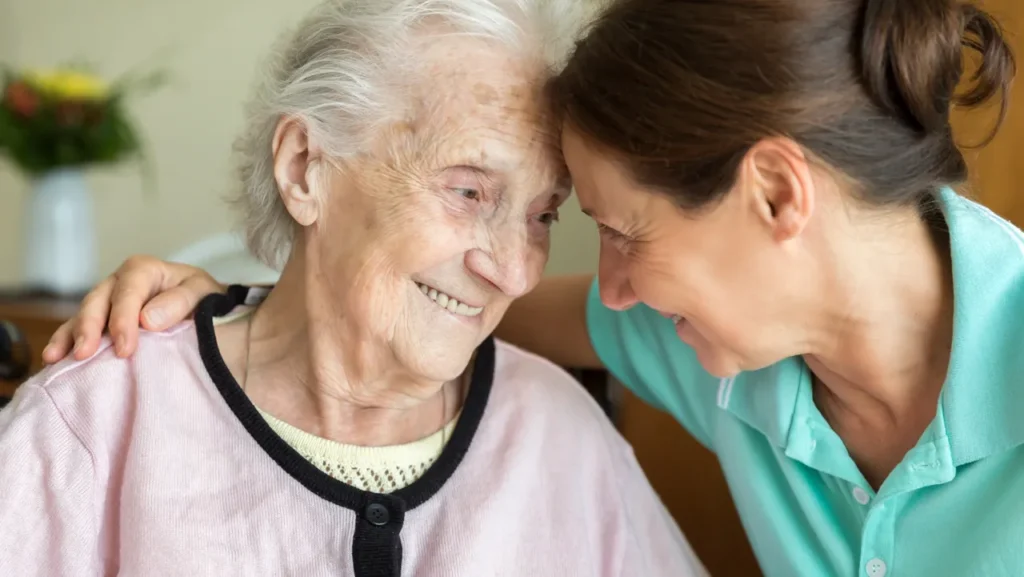



In-Home Dementia Care in San Diego
When a parent or spouse has Alzheimer’s or another form of dementia, the hardest hours are often the ones when no one from the family can be there. Exhava sends a caregiver to your loved one’s home for steady supervision, so they are not alone when confusion sets in, and for help with meals, bathing, dressing and medication reminders. Call (619) 853-4765 and we will talk it through with you on the phone.
Why Families Choose Memory Care at Home
Many people with dementia want to stay in their own home, and many families want that for them too. At home, your loved one keeps their own bed, their own kitchen and the daily routine they know. Familiar routines can make days calmer for many people with dementia. A caregiver adds the help that is missing, so the family is not carrying every shift alone.
What Changes When a Caregiver Comes In
- Someone is with your loved one during the hours they would otherwise spend alone.
- Meals, laundry, light housekeeping, errands and rides to appointments get done.
- You get to be a son, daughter or spouse again for part of the week, instead of the only caregiver.
Caregivers Screened Before They Meet Your Family
Every Exhava caregiver has at least 2 years of elderly-care experience or 1 year as a certified CNA/HHA. We personally contact 3 professional and 3 personal references, interview each caregiver in person, and run a 5-hour in-person orientation plus ongoing training. Exhava is a licensed California Home Care Organization (HCO #374700247) and is licensed, bonded, and insured. See how we screen caregivers.
Start with a Phone Conversation
Call (619) 853-4765 and tell us what is happening at home. We will talk it through on the phone, answer your questions and explain how care would work for your family. Exhava has caregivers on staff. Care can often start within 24–48 hours of your first call.
After a Dementia Diagnosis
An Alzheimer’s or dementia diagnosis changes things for the whole family. Maybe your dad has started leaving the stove on, or your mom calls again and again because she forgot she already called. Moving them to a facility feels too soon, and the daily caregiving is wearing you down.
In-home dementia care sits between doing it all yourself and moving to a memory care facility. A caregiver comes to the house on a schedule you set with us, and your loved one stays where they feel most at ease.
We serve families throughout San Diego County, including La Jolla, Coronado, Carlsbad, Rancho Bernardo, Escondido and Chula Vista. See all the communities we serve in San Diego County.
How Care Needs Change Over Time
Dementia affects more than memory. A person may lose track of time, get turned around in a neighborhood they have known for decades, or struggle to follow a conversation.
Early on, your loved one may need reminders and a ride to the doctor. Later they may need help with bathing, dressing and toileting, and someone with them most of the day. The care plan changes with them, and the caregiver’s hours can grow as needs grow.
Exhava provides Alzheimer’s care in San Diego homes, from the early stages to later stages that call for more hands-on personal care.
What Staying Home Gives Your Loved One
Familiar Surroundings
Home is full of cues: the photos on the wall, the chair by the window, the way to the bathroom at night. At home your loved one sleeps in their own bed and keeps the habits that give the day its shape, and the caregiver works around that routine.
Help in the Late Afternoon and Evening
Many people with dementia become more confused or restless late in the day, which is often called sundowning. A caregiver can keep the evening quiet and predictable with dinner at the usual time, lamps on before dark and a familiar show or song. Our article on sundowning in dementia explains what it is and why it happens.
One-on-One Attention
At home, the caregiver is there for one person. They learn how your mom takes her coffee, which stories make your dad laugh and what tends to upset them, and they use that on every visit.
How Our Caregivers Help Day to Day
Exhava provides non-medical home care: companionship, personal care, help around the house and supervision. Caregivers do not provide medical care.
Activities and Conversation
Caregivers plan the day around things your loved one enjoys and can still do:
- Listening to music from their younger years
- Looking through photo albums and talking about the people in them
- Simple card games, puzzles or folding laundry together
- Short walks when it is safe to go out
Help with Bathing, Dressing and Meals
As dementia progresses, everyday tasks get harder and can feel embarrassing. Caregivers help with patience and respect:
- Bathing, grooming and dressing
- Toileting
- Planning and cooking meals, and offering drinks through the day
- Light housekeeping and laundry
Medication Reminders
A person with memory loss may forget a dose or take one twice. Caregivers give medication reminders at the times your family and your loved one’s doctor have set.
Keeping Home Safe for Someone with Dementia
For many families, safety is the reason to call. A house your parent has lived in for decades can start to hold new risks: a gas stove, a front door that opens onto a busy street, stairs at night.
Our guide to creating a safe home for a parent with dementia covers changes your family can make around the house.
What Caregivers Do for Safety
- Stay with your loved one so they do not leave home alone or get lost
- Keep floors and walkways clear as part of light housekeeping
- Stay in the kitchen while the stove or oven is on
- Walk alongside them and help with transfers, like getting up from a chair or into the shower

When Behavior Changes
Dementia can change how a person acts. A gentle parent may become suspicious or angry, or ask the same question over and over. For families this is often the hardest part. A caregiver can respond calmly, without years of family history in the room.
Caregivers look at behavior as a clue. A person who is pacing or snapping may be hungry, tired, in pain or need the bathroom. The caregiver checks those things first and tells the family about anything that worries them.
Validation and Reassurance
Correcting someone with dementia often upsets them more. If your dad gets ready to leave for a job he retired from years ago, a caregiver can skip the argument and ask, “What did you do at work?” Then they let him talk. Reassuring him often settles the moment faster than the facts.
Gentle Redirection
When your loved one gets stuck on a worry, a caregiver can steer their attention to something pleasant, like a favorite snack, a song or a walk out to the garden. This is hard for a family member to do day after day, especially with their own parent.
Support for You, the Family Caregiver
Caring for a parent or spouse with dementia is a round-the-clock job, and it wears people down. Many family caregivers are tired, short-tempered and falling behind at work before they ask for help.
Respite care lets you step away for a few hours or a few days while a caregiver stays with your loved one.
Read more about our respite care in San Diego.
The Alzheimer’s Association also offers support groups and educational materials for families.
Signs It May Be Time for Help at Home
Many families wait for a crisis, like a fall or a scare with the stove. Starting earlier gives your loved one time to get to know the caregiver while a new face is often easier to accept.
It may be time to call if:
- You worry about them wandering, falling or leaving the stove on
- They are skipping baths or wearing the same clothes for days
- You are exhausted, short-tempered or missing work
- They rarely leave the house or see anyone
- Evenings have become hard for everyone in the house
If several of these sound familiar, call (619) 853-4765.
A Care Plan Built Around Your Loved One
Their Life Story Shapes the Day
We ask about your loved one’s past: their work, their hobbies, the music they love. Caregivers use those details every day. If your mother ran a household, her caregiver might ask for help folding towels, which gives her something useful to do.
Care That Grows with Their Needs
Memory care at home can start small, with a few days a week of company and help. As needs grow, care can move to daily visits, overnights or 24-hour home care.
Our approach is One Caregiver, One Bond, Year After Year. Most of our caregivers are employees on our own staff, and we work to keep the same caregiver with your family for as long as possible. For someone with dementia, that means fewer strangers coming through the door.
Talk with Us About Dementia Care in San Diego
Call (619) 853-4765 or send us a message. Tell us about your loved one and what a hard day looks like right now, and we will talk through how help at home could fit.