


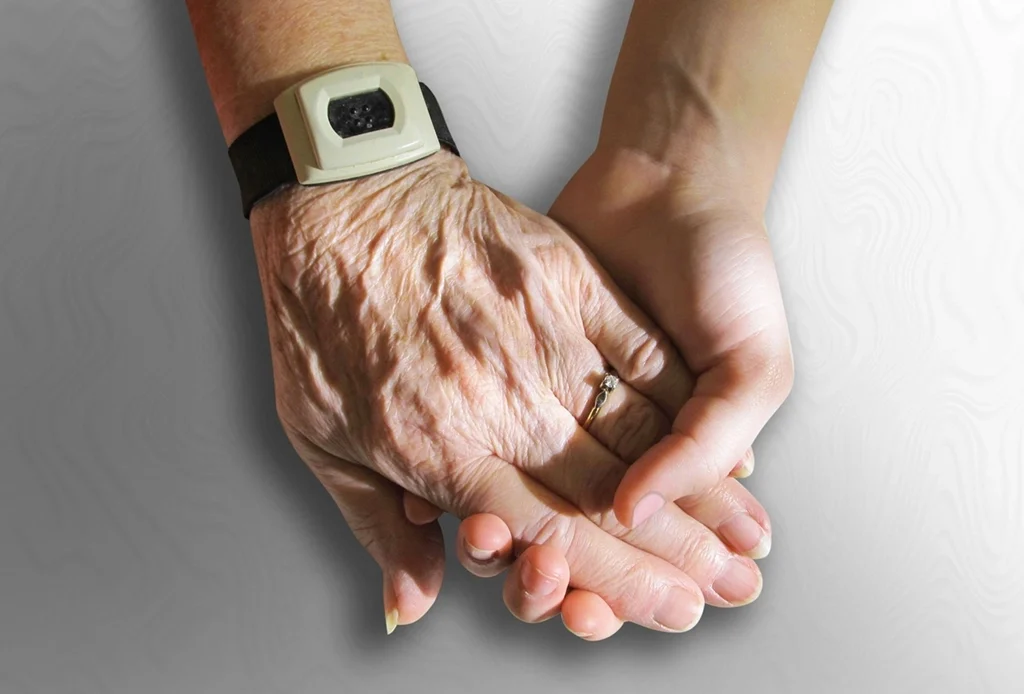
Nobody gives you a schedule for what happens when dementia gets worse.
One season your mom needs a reminder to eat lunch and some company in the afternoon. Then one morning you find her standing in the bathroom, unsure how the shower works, asking the same question she asked ten minutes ago.
You adjust. Then something else changes, and you adjust again. It usually gets harder before it gets easier.
When dementia gets worse, home care has to grow with it. For families in San Diego, that usually means moving from reminders and companionship to hands-on personal care, and later to overnight or live-in support. The care plan and the home get adjusted each time, ideally with the same caregiver staying on.
What does it mean when dementia gets worse?
When dementia gets worse, your loved one needs help with more of the day, and eventually with more of the hours in it. Tasks that were a little shaky start to need a hand. Later, someone needs to work through those tasks alongside them, or handle them entirely.
The pace varies from person to person. Some families see a slow drift. Others see long plateaus, then a bigger change after an illness or a hospital stay. No one can predict exactly when the next change will come.
If you want a stage-by-stage overview, our guide to what to know before hiring dementia care covers it. This article stays with what changes at home as the disease moves along, and what you can do about it.
Changes families often notice include:
- Needing step-by-step cues for dressing or brushing teeth
- More confusion or restlessness late in the day
- The same question asked again and again within minutes
- Trying to leave the house to go to a job or a home that belongs to the past
- Pulling back from conversation and old hobbies
A sudden change is different from a gradual one. If confusion or behavior shifts quickly, call the doctor before assuming it's the dementia. The Alzheimer's Association advises checking with a doctor about changes to rule out other physical problems or medication side effects (middle-stage caregiving guidance, as of October 2026).
How does home care adapt as dementia progresses?
Home care adapts to worsening dementia by adding support wherever the person has started to struggle, while protecting as much of their routine and independence as possible. Early on, a caregiver might come for a few hours to help with meals, medication reminders, light housekeeping and company. As memory and judgment change, the caregiver takes on more hands-on personal care, like bathing, dressing, toileting and moving safely around the house. Once nights become unsafe or the person can no longer be left alone, care hours extend into the night. Later comes 24-hour or live-in support. Rewrite the care plan each time something shifts. The home may need safety changes too, such as door chimes and better lighting. A consistent caregiver who already knows the person's habits can make every one of these transitions easier, because fewer parts of the day feel new.
What usually changes first
Remember the morning in the bathroom? That is often the first big shift: from reminders to hands-on help. A nudge used to get your mom through her shower. Now she stands there holding the soap and doesn't know what comes next.
That move into personal care is hard on the person receiving it. Bathing and dressing touch privacy and pride. A good caregiver lets your loved one do every step they still can and steps in only where needed. Something as small as laying out clothes in the order they go on can help your mom keep dressing herself.
Your parent may refuse help at first. Sometimes loudly. Refusal is common, and it doesn't mean home care won't work. Caregivers often start with the parts of the day your parent enjoys, like a walk or making lunch together, and build trust before personal care comes up.
Two common beliefs hold families back. One is that hiring help means giving up. In practice, it often lets you be the son or daughter again, instead of the person who argues about showers. The other is that home care is only for people who are bedbound. Bringing in a caregiver while your parent can still build a relationship with them can make the harder months ahead less jarring for everyone.
What to adjust each time needs shift
Revisit these four things:
- The schedule may need to grow from a few hours a week to daily visits, then overnight help, then live-in care.
- The written care plan should be updated so the caregiver and every family member work from the same instructions.
- The home should match the abilities your loved one has now. That can mean locking up car keys and sharp tools, adding night lights along the path to the bathroom, putting chimes on outside doors and pulling up loose rugs.
- A simple log of symptoms and behaviors, kept by you or the caregiver, gives the doctor something concrete at each visit.
How does care change when new behaviors show up?
When behaviors like sundowning, wandering, agitation or repeated questions appear, care shifts from helping with tasks to shaping the whole day.
Routine does a lot of the work. Meals and bedtime at roughly the same time each day give your loved one fewer surprises to react to. If your mom is calmest mid-morning, that's when the shower happens.
Redirection usually works better than correction. When your dad insists he has to get to the office, telling him he retired long ago tends to raise the temperature. Responding to the feeling underneath ("You've always worked so hard") and then offering coffee or a walk often settles things faster. Alzheimer's Association guidance points the same way: a calm voice, and a response to the emotion behind a repeated question rather than the words.
Late afternoon and evening need extra attention. If restlessness builds as the light fades, brighter rooms and a quieter house can help.
Wandering changes what supervision looks like. At some point a person with dementia can't safely be left alone, and the Alzheimer's Association describes preventing wandering as essential once that happens. Door chimes help. So does a caregiver who notices the pacing and the reach for a coat before your dad is out the door.
Keep an eye on the quiet ones, too. Sitting for hours and losing interest in a favorite show can look like contentment, but they can also be signs of anxiety or low mood. Mention them to the doctor.
The behavior log earns its keep here. Note the time, what happened just before, how your loved one slept the night before and what helped. Patterns often show up: the agitation that follows a loud TV, or the restlessness that starts when they're hungry.
What does later-stage dementia care at home involve?
Later-stage dementia care at home usually means full help with personal care and with moving safely, plus close attention to comfort. Your loved one may need someone with them around the clock. The Alzheimer's Association describes late-stage care as full-time personal care, with communication shifting toward the senses (late-stage caregiving guidance, as of October 2026).
Personal care covers bathing, toileting, incontinence care, grooming and dressing. Mobility help may mean steadying your mom as she walks, then helping with transfers from bed to chair. Meals are made easy to eat, and a caregiver may help with each bite. If chewing or swallowing gets harder, ask the doctor for guidance on food textures before changing anything.
Connection still matters. When words fade, your loved one can respond to favorite music, old photos, the smell of a familiar lotion or someone gently brushing their hair. Sitting outside together counts.
Pain is easy to miss. A person in later-stage dementia may not be able to say something hurts. A grimace, new restlessness, a change in sleep or pushing a caregiver's hand away can be the only signals. Tell the doctor when you see them.
Exhava provides non-medical home care. Medical decisions and nursing care stay with your loved one's doctor and medical providers.
Why does keeping the same caregiver matter more as dementia progresses?
A familiar caregiver matters more as dementia progresses because your loved one has fewer ways to adjust to someone new. Each new face is a stranger in the house, and in later stages that stranger is helping with the shower and the toilet.
A caregiver who has been there for months knows what normal looks like for your mom. That caregiver notices when she eats half her usual breakfast or winces getting out of her chair. Someone meeting her for the first time would have no way to know those things are new.
Continuity helps the family, too. You don't have to re-explain that your mom hates the radio on during lunch, or that she calms down if someone hums while helping her dress.
At Exhava, the average caregiver tenure is over eight years, and clients see the same caregiver visit after visit. Families meet the caregiver before care begins. That's the idea behind One Caregiver, One Bond, Year After Year.
When care hours increase, ask whether the caregiver your parent already knows can stay at the center of the new schedule.
How do you know it's time to increase dementia care?
It's time to increase dementia care when the current schedule leaves gaps where your loved one isn't safe, or when the family caregiver is running on empty. Watch for:
- Nights that have turned rough, with wandering or attempts to leave while you sleep with one ear open
- A fall, or near-misses getting up from a chair or in the bathroom
- Meals left untouched, or clothes that suddenly hang loose (worth raising with the doctor, too)
- The stove left on, or the front door found open at night
- Trouble happening in the hours when nobody is there
- You, snapping at people you love and dreading the phone
Waiting for a crisis limits your options. After a fall or a hospital stay, decisions get made quickly, and your parent meets a new caregiver at the exact moment they need the most hands-on help. Adding hours a bit earlier gives everyone time to adjust, including you.
When might home no longer be the safest place?
Home may no longer be the safest place when your loved one's needs go beyond what can be provided there, even with more care hours. We know that's hard to read.
Signs include medical needs that call for nursing around the clock, or behaviors that put your loved one or others at risk even with support in place. Sometimes the house itself can't be made safe enough. Sometimes the family can't cover the gaps anymore.
The Alzheimer's Association suggests considering residential care when needs exceed what can be provided at home, and gathering the facts so you can make the decision without second-guessing it later. If you're weighing that choice, our comparison of dementia at home vs. a memory care facility lays out both sides.
If it comes to that, you haven't failed your parent. You may feel guilty anyway, and relieved, sometimes in the same afternoon.
This article is general information about home care, not medical advice for your loved one's situation, so talk with their doctor about any change in health or behavior.
Frequently asked questions
Can dementia get worse suddenly?
Dementia usually changes gradually, so a sudden shift in confusion or behavior is worth a call to the doctor. The Alzheimer's Association advises checking with a doctor about changes to rule out other physical problems or medication side effects. Don't assume a bad week means the disease has moved forward until a doctor has taken a look.
Will my parent need care at night as dementia gets worse?
Often, yes. Sleep changes and wandering can make nights the hardest stretch, especially if your loved one tries to leave the house. Overnight care puts a caregiver in the home through the night so the family can rest. Exhava offers care from hourly visits up to overnight and live-in support.
Does dementia home care include medical care?
Exhava's dementia care is non-medical. Caregivers help with bathing, dressing, toileting, meals, medication reminders, light housekeeping and rides to appointments. Medical treatment and nursing care stay with your loved one's doctor and medical providers. A caregiver who sees your loved one regularly can notice changes and share them with your family, so you can bring them to the doctor.
How often should a dementia care plan be updated?
Update a dementia care plan whenever something changes: a new behavior, a fall, a hospital stay, a new prescription or a change in who's available to help. Waiting for a scheduled review can leave the caregiver working from old instructions. A short check-in with the agency after any change keeps everyone on the same plan.
What should I bring to a doctor visit when dementia seems worse?
Bring the symptom and behavior log, a current list of medications, any notes from the caregiver and your questions written down. Specific examples help the doctor more than general worry, so include dates and what happened. If a caregiver spends regular time with your loved one, ask what they've noticed before the visit. Exhava caregivers can also provide rides to appointments.
How Exhava can help
If dementia is getting worse and the care you have no longer fits, we can help you adjust it. We start with a free phone consultation. Then a manager in your area visits for a complimentary in-home evaluation, and together we build a customized care plan around where your loved one is right now.
As needs change, we change the plan with you. Care can grow from a few hours to overnight or live-in support. Our caregivers help with personal care, meals, medication reminders and structured daily routines. You meet your caregiver before care begins, and clients see the same caregiver visit after visit.
Learn more about our dementia home care in San Diego, call (619) 853-4765, or contact the Exhava team for a free consultation. We serve families across San Diego County.